Monday, July 5, 2010

Heart Attack-Symptoms of Heart Attack-Cardiovascular Diseases

Heart attack, medically known as Myocardial Infarction, is the sudden stoppage of the heart due to death or damage to a large part of the heart muscles known as myocardium. It is widely acknowledged that heart related conditions (cardiovascular diseases) are the number one cause of death and disability.

Heart disease is one of the leading causes of death. Men have a greater risk of heart attack at a younger age than women. But the risk increases for women as they near menopause and, eventually, surpasses that of men.

Followings are some early heart attack symptoms :-

(1) Uncomfortable pressure, fullness, squeezing, or painful sensation in the chest lasting more than a few minutes. Please note that the painfulness may go away temporary but will go back evenly as dreadful if not more painful.

(2) The pain often spreads to the shoulders, neck, jaw or arms.

(3) People suffering from a heart attack will feel both chest discomfort and light headedness which often lead to fainting.

(4) Sweating, nausea and vomiting are common.

(5) Shortness of breath.

(6) Apprehension, anxiousness and despondence.

(7)Discomfort in other areas of the upper body.

(8) Pain or discomfort in one or both arms.

(9) Pain or discomfort in the back

We can decrease our risk of heart attack by changing our lifestyle in the following:-

(1) Cholesterol Levels:-
Avoid saturated fat, eat fewer calories, and try to eat foods rich in fiber, such as vegetables and fruits. If your cholesterol is very high, drugs to lower it may be an option for you.

(2) Doctor Advice for Aspirin:-
We have to talk with related doctor about daily intake of aspirin which may reduce our risk of heart attack by thinning our blood and preventing clots from forming. Because aspirin is not safe for everyone.

(3) Exercise:-
Regular exercise is good for you because it helps reduce stress, cholesterol levels, high blood pressure, and excess weight, and it can make your heart stronger, leading to a lower pulse rate.

(4) In our all day busy routines, we have to spend some time for relaxation to reduce heart attacks.

(5) Blood Pressure Control is also one of the very helpful factor for heart attacks reduction.

(6) Smoking is harmful to your cardiovascular health. Smoking also clogs your arteries and in the process, raises the blood pressure in those clogged arteries. This condition helps to double the heart attack risk for smokers compared with non-smokers.

Here, I want also discuss one product which is called Medtronic defibrillator that is implanted in heart disease patient’s chest for monitoring the consistency of heart rhythm.

And also its work for restoring the heart to a normal beat by delivering an electronic shock to the heart with its one or two leads and its generally implanted near our shoulder for this functionality.

The leads have been removed from the market after it was discovered that Defective Defibrillator Leads can facture which can cause unnecessary shocks to a heart, or they lead can fail to operate at all.

In 2006, Medtronic defibrillator recall is big news. It's been accompanied by hundreds of news stories, tumbling stock prices and commentaries like the one from ZDNet that likened Medtronic to a Law & Order episode.

This defect and the problems it causes are detailed below, but if you or someone you love has been injured as a result of this device, contact a Medtronic Recall lawyer immediately to schedule a free initial consultation.

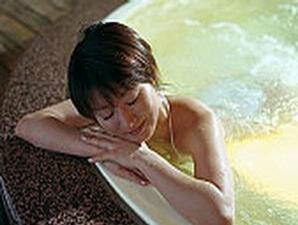
Easy Tips To Create Spa at Home

Easy Tips To Create Spa at HomeImagine yourself relaxing soak in a large tub at the spa with aroma therapy candles flicker near you. Unfortunately, it takes expensive to get such service. The good news, why we can make their own spa in the bathroom of the house.


1. Create the right lighting
We need a bright light when wearing makeup or brushing teeth. Instead, we need dim lighting when the mood to relax. One way to set-up is to buy a dimmer switch at the hardware store so that bright lights can be arranged own ruination.

2. Clean and orderly
Keep neat and tidy bathroom. Save cosmetics and others in the closet. Bathrooms are spacious and clean to help get rid of all fears, so that we can relax without remembering daily routines.

3. Pamper yourself
One way of pampering is a large towel to dry the body with a clean and soft.

4. Protect feet
Bath mat is a critical element in a spa. Do not let your body warm after a bath so cold when out of a bathtub. Prepare the mat near a bathtub.

5. Set the mood
Create the atmosphere of a spa bathroom with spa-style accessory laid. Scented candles with glowing lights and soft music is a plural found in spas to help forget the worries of the world for a moment.

6. Close to nature
Gently flowing water, rocks or plant life helps us close to nature. Place a potted plant or floral arrangement in the bathroom to get it. In addition, the plant will also provide high levels of humidity in the bathroom.

7. Set up small room
Whoever knew that not much can be done in the narrow bathroom. However, the small bathroom can make it look more spacious disiasati by hanging a large mirror to give the illusion that the bathroom spacious enough.

8. Change color
One easy and inexpensive way to update a room is to change the paint room. Try white colors to give the impression the room is clean and spacious.

Acupuncture Produces Natural pain relief

Each puncture needle at a certain point in the body it is effective to stimulate the body's natural pain relievers released called adenosine. The results of this study further confirmed the opinion that the method of acupuncture can be studied and explained scientifically.

Armed with this knowledge, experts believe the benefits of acupuncture can be combined with deoxycoformycin cancer drugs, which keep the levels of adenosine in the body is more durable.

The study was conducted by Dr.Maiken Nedergaard and colleagues at the University of Rochester Medical Center. They do intensive research on mice given a half-hour acupuncture treatment for groups of mice that experienced discomfort due to scratches.

The researchers found that levels of adenosine in the tissue close to the puncture needle 24 times higher after acupuncture therapy. And mice suffering from the discomfort that showed reduction in pain. Adenosine is better known as a regulator of sleep, blocking the nerve signals and inflammation.

Acupuncture is a treatment with acupuncture method in some parts of the body organs that are considered as a point accupoint to create special effects. This treatment is not accompanied with the provision of potions or other drugs.

Akunpuntur once considered trivial and difficult to explain rationally has now become one of the recognized alternative to traditional medicine in the world of modern medicine. Various scientific studies have been undertaken to uncover the mystery behind the ability of this method in curing diseases.

Nutmeg, the special spice

One of the favorite spices in this country is the nutmeg. In addition to having high economic value, nutmeg is also a versatile spice. Levels of the chemical to be a natural solution to relieve stress and insomnia disorders Nutmeg (Myristica fragan Haitt) is a spice native to Indonesia, the exact origin of the Banda and the Moluccas. Nutmeg plant spreads to Java, at Marcopolo trip to China through the island of Java from 1271 until 1295. Since then the nutmeg crop cultivation continues to spread to Sumatra.

Has long been known as nutmeg spice essential oil producer. This oil is one of the basic ingredients in the beverage industry and cosmetics. In general, the benefits derived from the bark of nutmeg to the fruit.

Alleviate pain
Nutmeg tree trunks usually called kino, often used as firewood. Bark and leaves of plants to produce essential oil. In addition, there is also a mace or something shaped like the fruit covering the grill, and commonly called mace. Mace is the dried form is sold domestically.

Hereditary, nutmeg is used as an herb, especially the seeds and flesh. Nutmeg seed is believed to be very good for treating indigestion, vomiting, and others.

Nutmeg can alleviate all the aches and pains due to cold body and the stomach and intestines "get wind". Nutmeg meat very well and liked the community if it had been processed into snack foods, such as pickles, jam, or jam nutmeg.

Not only domestically, in some countries in continental Europe and Asia, nutmeg is also well known. Nutmeg is often used as an herb for the treatment of sleep disorders, stress, prevent dehydration, and increase stamina.

Stress reliever
Based on research conducted National Science and Technology Authority, in his book, Guidebook on the Proper Use of Medicinal Plants, revealed that nutmeg contains chemical compounds that are useful to health. Skin and flesh of the fruit contains volatile oil of nutmeg and leather materials, while the mace or nutmeg flowers contain volatile oil, leather substance, and substance starch.

Nutmeg seed contains volatile oil, saponin, myristicin, elemisi, lipase, pectin, lemonena, and oleanolat acid. So almost all the nutmeg contains chemical compounds that benefit health.

Besides created potions, nutmeg can also be used as raw material for making syrup. As stated Michael van den Bos, a medical consultant and herbs from Herbacure Centre, nutmeg can be used as syrup. The trick, nutmeg poached to take her sari. Add sugar to taste if liked.

"Syrup is like other beverages that are refreshing. Nutmeg Syrup has calming properties and is suitable to relieve stress, "he said.

Michael also mentioned, because it is calming, nutmeg herb raw material suitable for use by those who experience sleep disturbances or insomnia, as well as to smooth the blood, relieves stomach disorders, pain, and abdominal pains due to colds.

Mixed Coconut Water
As disclosed Sunarto, a fan of nutmeg, nutmeg powder is often made in the form of a mixture made of young coconut juice or water. According to him, nutmeg extract despite a sharp odor when mixed with juice can have a positive effect. Especially for field workers, extracts of nutmeg can be used to maintain stamina and prevent dehydration.

"I used to buy nutmeg extract from a colleague who liked to make a concoction of nutmeg. In fact, we can create your own. The trick, nutmeg, dried, pounded until soft, then mixed into the juice or coconut water. The dose should not exceed 15 grams of nutmeg extract to one large drinking glass, "explained the 43-year-old man was.

Currently the market is not much nutmeg extract on sale. Fortunately, some healing has been expanding in the form of steeping a stand alone or mixed with other herbs.

In international markets, are known several types of nutmeg, Myristica fragrans Houtt ie, Myristica argentea Ware, fattua Houtt Myristica, Myristica specioga Ware, Myristica Sucedona BL, and Myristica malabarica Lam.

Kind of a lot of nutmeg Myristica fragrans was developed mainly because of high economic value compared with other types. Followed by type and Myristica argentea Myristica fattua.

Type of Myristica specioga, sucedona Myristica, Myristica malabarica and its production is low, so low economic value as well. While many types of Myristica fragrans relatively developed in Indonesia because it is a habitat.

Sunday, July 4, 2010

The cost of anholistic care

Being 'holistic' in care delivery can seem anachronistic, paying homage to new age thinking and practices. Paradoxically, being holistic in nursing can also mimic an admin exercise that amounts to ticking the boxes. So for Hodges' model - have you visited all the care domains?
  • INTERPERSONAL care ✓
  • POLITICAL care ✓
  • PHYSICAL care ✓
  • SOCIAL care ✓
Advanced discharge planning is many things:
  • idealised care;
  • standardised care;
  • evidence of policy, targets;
  • sign posting for the care pathway;
  • an essential care aspiration that emphasizes the individual's strengths and resources.
As Wimbledon once again reaches its climax we observe that a fast serve needs to be prepared for a fast return of serve.

Last month 23 June, 2010 The Guardian, Society Guardian featured The high cost of return:
Hospitals could lose up to £1.5bn of NHS funding a year because of the government's decision to penalise those where patients return within 30 days of being treated. That is the conclusion of research conducted by health analysts Dr Foster into the potential impact of the tough new policy. It warns that NHS trusts face large potential losses, the biggest could reach £28.7m, as a result of the new approach. In all, 146 acute, specialist and mental health trusts could lose out. Denis Campbell, p.3.
Apparently -
Andrew Lansley wants to force the NHS to provide better care in hospitals and mental health establishments, to keep treating patients there until they are fit to leave and to work more closely with community-based healthcare professionals, such as GPs and district nurses, to ensure sick people receive more help with their convalescence after discharge and so are less likely to return to hospital. "Making hospitals responsible for a patient's ongoing care after discharge will create more joined-up working between hospitals and community services and may be supported by the developments in re-ablement and post-discharge support," he says.
I hope in reading the above you have a sense of my frustration in that the health career model can encourage and support timely reflection that can help achieve holistic, integrated - coherent care.

If the model was shared
- a common resource -
across disciplines and available to patients and carers
then the potential benefits (and savings?) are even greater.

Saturday, July 3, 2010

CfP IEEE IC Special Issue: Web Technology and Architecture for Personal Health Records (July/August 2011)


IEEE Internet Computing: special issue planned for 2011

Guest Editors:
Chimezie Thomas-Ogbuji [cut at case.edu], Karthik Gomadam [karthik at knoesis.org], and Charles Petrie [petrie at stanford.edu]

Final submissions due 1 November 2010
Please email the guest editors a brief description of the article you plan to submit by 15 October 2010.


The healthcare industry is well positioned to take advantage of contemporary Web-based architecture to address the technological challenges of personal health record (PHR) systems, many of which require simultaneous advances in engineering, informatics, and network-based applications. Of particular interest are the PHR systems that capture healthcare data entered by individuals.

This special issue seeks original articles describing development, relevant trends, and challenges in incorporating contemporary Web-based technology for the primary functions of PHR systems. The main functional categories of interest are information collection, sharing, exchange, and management.

Appropriate topics of interest include:
  • Web-based, structured data collection in PHR systems;
  • implementations of access-control policies and healthcare data sharing;
  • distributed, identity-based authentication methods;
  • digital signature and encryption techniques;
  • Web portal architecture’s general components and capabilities as the basis for a PHR system;
  • architectural paradigms regarding connectivity to other healthcare information producers and consumers;
  • data models for PHR systems;
  • distributed data subscription and publishing protocols;
  • successful Web-based applications for chronic disease and medication management;
  • health applications for PHR systems on mobile devices;
  • privacy and security issues;
  • HIPAA and its implications for adopting cloud computing for PHR applications; and
  • semantics for PHR interoperability and applications
http://www.computer.org/internet/cfp.htm

All submissions must be original manuscripts of fewer than 5,000 words, focused on Internet technologies and implementations. All manuscripts are subject to peer review on both technical merit and relevance to IC’s international readership — primarily system and software design engineers. We do not accept white papers, and we discourage strictly theoretical or mathematical papers.

To submit a manuscript, please log on to Manuscript Central (https://mc.manuscriptcentral.com/cs-ieee) to create or access an account, which you can use to log on to IC‘s Author Center and upload your submission.

Friday, July 2, 2010

Drupal musings 6: Content types - Reflection!

Does anyone have any experience in using established models of reflection in:
  • education (nursing, public health, information technology)
  • practice
  • therapy
  • supervision
  • carer support
  • eHealth
  • ... ?
If so please get in touch [h2cmng at yahoo.co.uk].

In its initial downloaded state Drupal has two content types:
  1. story
  2. and page.
The option then is to use these which would be rather limiting. Add to these two by enabling other core modules. Drupal administrators can extend the core functionality by adding other modules which provide new content types.

You can also roll your own. A key content type for the new site is one that uses the health career model to facilitate - reflection - one of the original purposes for the model.

This also provides an opportunity to adopt a model of reflection that is itself supported by research. This may be Gibbs:
  • Stage 1: Description of the event
  • Stage 2: Feelings and Thoughts (Self awareness)
  • Stage 3: Evaluation
  • Stage 4: Analysis
  • Stage 5: Conclusion (Synthesis)
  • Stage 6: Action Plan
John's Model of Structured Reflection
  • Aesthetics – the art of what we do, our own experiences
  • Personal – self awareness
  • Ethics – moral knowledge
  • Empirics – scientific
  • with its Cue Questions
Smyth’s Framework for Reflection on Action
  • Activity
  • Inform (Analysis)
  • Confront (Self awareness)
  • Reconstruct (Evaluation and Synthesis)
There are many others. ...

Once the hedgehog-headlights glare has passed, this is going to be a really interesting project. There must be a way to link one (or more) of the above with each of h2cm's care (knowledge) domains. There must be a way to create a first version that can be extended and support other content types. The possibilities are really exciting - hence the glare (reflected of course!).

Some reflection sources:

http://www.practicebasedlearning.org/resources/materials/docs/reflectiononpractice.pdf


http://www.communityhealthcarebolton.co.uk/SHA/LLL/resources/reflective/Framework%20for%20Reflection.doc