Wednesday, March 3, 2010

Membranous nephropathy diseases and tips on how to treat

Description:
Membranous Nephropathy is a kidney disorder resulting in impaired renal function because of inflammation of the glomerulus and changes in the glomerular basement membrane. Functioning renal glomeruli filter the blood.Rata Penuh

In this disease it will also appear as a symptom of protein excretion in the urine. Glomerular filtration rate (speed of blood purification) is usually nearly normal, and examination of sediment in the urine may be mediocre or may show oval fat bodies, and hyaline, rough, and fatty casts.

Membranous nephropathy is one type of kidney disease are not known for certain of its origins, medical experts predict that this disease may be related to other conditions. Risks include systemic disorders such as Hepatitis B, malaria, malignant solid tumors, non-Hodgkin's lymphoma, systemic lupus erythematosus, syphilis, and others. Risks also include exposure to substances or medications, including gold, mercury, penicillamine, trimethadione, skin whitening cream, and others.

Symptom
Common symptoms are swelling of the body, foamy urine, decreased appetite, excessive urination at night, high blood pressure. These symptoms are varied and in many cases there are no symptoms at all.

Treatment
The goal of treatment is to minimize symptoms and slow disease progression. Symptoms should be treated as appropriate.

Tuesday, March 2, 2010

Three Mistakes Women At Intimate

In a paired relationship, there are some cases where she is expecting her lover to notice. For example, women often wished realized a romantic candle light dinner or a series of interest given the lover. Unfortunately, men often do not realize it was that made her upset.

This was also true for men. There are some things women wish men knew. The difference, not a romance or interest is expected, but the behavior on the bed. Here are three things are:

1. Small Talk
When you and your partner is in bed and ready for 'action', then do not ruin it by getting your partner a long chat first. For men, when they and their partners to the bed, then it is time to start 'game'. You can do a chat after the activity is complete intimacy.

2. Passive
Sex is an activity carried out by two people, namely men and women. So do not get used to you just lie back and enjoy the game. Your spouse also wants to get a 'service' as they do to you. Therefore, you should begin a more active during lovemaking.

3. Body groove
Questioned the woman's body shape is often less sexy. Many do not feel confident in bed, so often times he seems not so comfortable when having sex.

It turned out to make men uncomfortable, not because of body shape that is less good but self-distrust that may arise. The only curve that he noticed is what the body shape and expression of your affection. This is quite logical, if they pay attention to any shortcomings of the like indentation fat stomach, thighs and buttocks, he will not be invited to make love. So get rid of thoughts about these fatty deposits and enjoy a special night.

Person-centred care and semantic inflation

Time laughs at us, with us and has the last laugh. If you are ever complacent and by virtue of your years you venture to think to yourself:

Well we've been working on this now for 20-30 years look at the progress we've made. ...

Time is always there to remind you:
Hey, just who are you trying to fool?
You are a lifelong learner!

The number of personnel and services that describe themselves as person-centred is an ongoing theme of so many CVs, policies, SLAs, commissioning and consultant's presentations and lectures. ...

Whether in a ward, service, or organisation's philosophy, person-centred is a term that is being diluted to the extent that semantic inflation devalues what is supposed to be the main currency? Or are we admitting that this is the cost of the political games that people play? Whatever your view, there are insights of progress won, but also reminders on how much remains to be done.

Health and social care being multicontextual demands the existence of multiple currencies. One additional currency begs that we compare A, B, C with the evidence base.

If this is the crucible of our person-centred times then what is burning?
  • Nursing ethics?
  • Nursing education?
  • Idealistic aspiration? (Yes, we will get there!)
  • New Age incense?
  • Policy initiatives?
  • Funding allocations?
  • Nursing activism (Or, are there any balls in the house)?
  • Service infrastructures?
Although the media temperature is rising here in the UK, as health, itself economically recumbent is moved to ICU being so politicised; the Francis Report provides evidence of a dire lack of person-centred care. Recalling my basic nurse training: what can be more person-centred than ensuring that a patient has the necessary fluids and diet?

For women who suffer a miscarriage - where should they be nursed as debated in today's Guardian newspaper? What is person-centred care in maternity and gynaecology services?

In-patient provision and transitions from child-youth-adult provide other opportunities and major challenges for health and social care to demonstrate their person-centredness.

There are so many ways to be person-centred, so many levels, some may even be contradictory(?).

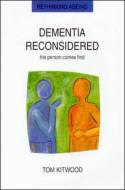
book cover
I wonder how many of those people highlighted in the Francis Report also had a form of dementia - whether diagnosed or not? Personhood and the need to acknowledge and sustain the person are not new.

Even if a service is person-centred in terms of the environment, meal choices, therapeutic options, belongings, personal space, proximity to home and relatives ... the crux at the center is the attitude of staff, and their having the time and space:


"to be"

person-centred

Additional links:

Mumsnet

Atkins, L. (2010) NHS 'must lessen trauma of miscarriages' Parents web forum Mumsnet calls for new code of practice to help women who lose their babies, The Guardian, Tuesday 2 March.

Image source:
http://drugsreference.co.uk/books/books.php?cat2=Caregiving

Nephrocalcinosis disease and tips on how to treat

Description:
Nephrocalcinosis is a kidney disorder involving deposition of calcium and oxalate or phosphate in renal tubules and interstitial (the area between the tubules). This sediment can result in reduced kidney function. Nephrocalcinosis is caused by several conditions, among others: the excess excretion of calcium by the kidneys, renal tubular acidosis, medullary sponge kidney, hypercalcemia (high calcium levels in the blood), renal cortical necrosis, and tuberculosis.

Symptom
The symptoms are very common there is no early symptoms of nephrocalcinosis to really cause problems. Symptoms can be known and need to get a survey if there is blood in the urine, fever, nausea, and vomiting.

Treatment
The goal of treatment is to control symptoms and prevent excessive calcium in the kidney.

Monday, March 1, 2010

Atrium myxoma disease and tips on how to treat

Description:
Atrial myxoma is a benign tumor on the top left or right side of the heart. Grow on the wall (atrial septum) that separates the two sides of the heart. Atrium Myxzoma a liver tumor. Very rare tumor, usually begins in the septum between the ventricles of heart, with 80% of the tumors that grew into the left atrium.

Although myxoma is a benign tumor Atrium, but these tumors can become serious if the blood vessels tumor clog embolize and cause disruption of blood flow. If the tumor embolizes clog the blood supply to the brain, it can cause a stroke. Myxoma is more common in women. Approximately 10% of patients with myxoma down through families (inherited).

Symptoms:
- Chest pain
- Palpitations
- Shortness of breath
- Edema (swelling of the feet)
- Fainting
- Coughing
- Fever
- Loss of energy
- Sight reduced
- Confusion

Maintenance:
Generally, the efforts made by tumor treatment.

Tips to make love in a car provides an unforgettable sensation

One of the unusual places to have sex is the back seat of a car. Although narrow, but the back seat could provide an exciting experience.

All this time you may only see
sex scene in a car in Hollywood movies. If it has become one of your fantasy, then now is the time to realize it. Be the director of 'film' that you created yourself.

Guts
The first thing that needs to be prepared is the mental. You must have a myriad of courage to do this.

Determine Places
Place these activities should be well thought out. Because it is quite difficult to find a place that allows. Place that allows for doing this is in the garage at home when the couple is engrossed with the activities of automotive. If you are brave enough, try the parking building, but security caught quite a big risk.

Atmosphere
In order to be more seductive atmosphere, then turn the cd that contains the romantic songs. The rainfall will help make the atmosphere more supportive.

Preparation
After determining the place and create a supportive atmosphere in the car, now is the time you generate excitement. Do it in a way best suited to your usual instinct to do to seduce a partner.

Nefrotic Disease Syndrome and tips on how to treat

Description:
Nephrotic syndrome was a disorder caused by damage to small blood vessels in the kidneys that filter waste and excess into the water from the blood. When healthy, these tiny blood vessels keep the protein from the blood seeps into the urine and out of the body. When damaged, do not perform this function effectively, and protein can leak out of your blood and causes swelling (edema).

Treatment for nephrotic syndrome including treating the conditions that caused it and take medicine. Nephrotic syndrome may increase the risk of infection and blood clots. Nephrotic syndrome is caused by damage to small blood vessels (glomeruli) of the kidney.

Symptom
Signs and symptoms of nephrotic syndrome include:
- Swelling (edema), particularly around the eyes and in ankle and foot
- Foam water in the toilet, which can be caused by excess protein in your urine
- Weight loss due to excess fluid retention
- Loss of appetite
- Vomiting

Treatment
Treatment for nephrotic syndrome involves treating the underlying medical condition. In addition, your doctor may prescribe an angiotensin-converting enzyme (ACE) inhibitors or angiotensin II receptor blockers (ARBs) to reduce the amount of protein in the urine and prevent kidney disease from getting worse.